Verification Protocol v1.2
How We Verify Biodiversity Uplift
Environmental DNA metabarcoding combined with passive acoustic monitoring provides two independent ecological signals. The Biodiversity Health Index (BHI) synthesizes both into a single auditable score that maps directly to credit value.
Stage 1
Environmental DNA Protocol
Environmental DNA is genetic material shed into the environment by organisms through mucus, skin cells, and excretions. At aquatic sites, water is filtered through a 0.45 µm membrane; at terrestrial sites, soil cores from multiple transects are composited. Extracted DNA is amplified using three primer pairs targeting different taxonomic groups and sequenced on an Illumina platform.
- COI barcode: Targets invertebrates and most vertebrates. High taxonomic resolution for arthropods, annelids, and crustaceans.
- 16S amplicon: Bacteria, macroinvertebrates, and many vertebrates. Primary signal for amphibian and mammal detection.
- 12S amplicon: Fish and tetrapod-specific. Highly sensitive for salmonid species in riparian and aquatic habitats.
- Reference database: BOLD Systems + custom PNW vertebrate reference library updated annually.
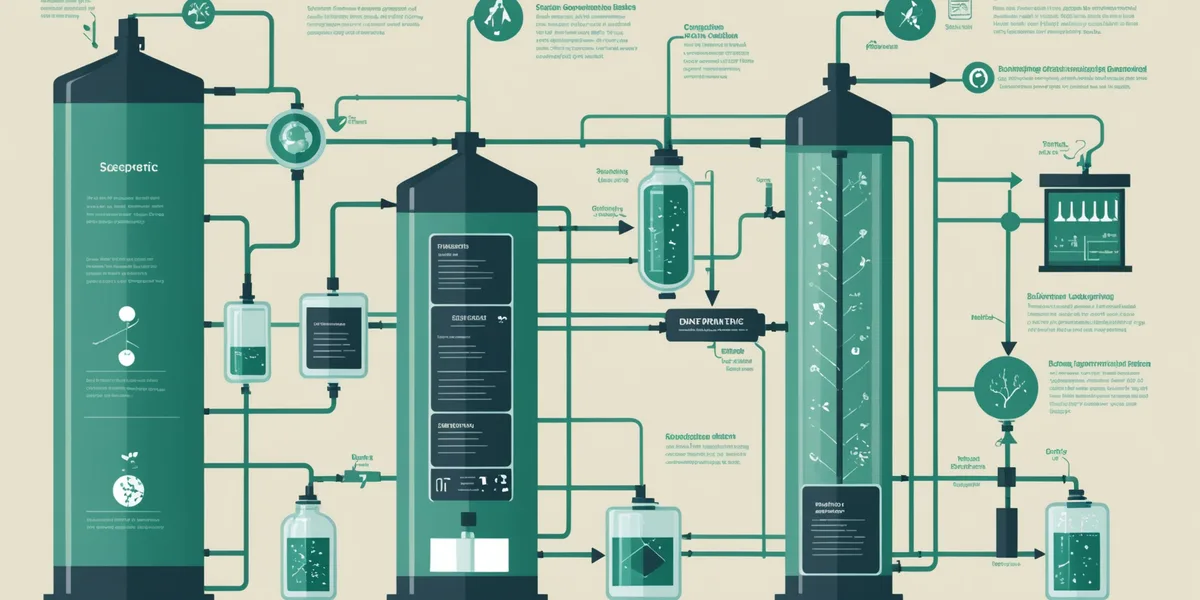
Stage 2
Acoustic Survey Protocol
Weatherproof AudioMoth recorders are deployed in an array across the site (8 units per 100 ha) for a minimum of 30 days during the spring monitoring window. Recordings are processed using automated index computation to generate three soundscape indices.
- ACI (Acoustic Complexity Index): Quantifies variation in sound intensity across frequency bands. Higher ACI correlates with greater insect and bird species diversity.
- BIO (Bioacoustic Index): Mean amplitude spectral density over the biological frequency range (2–8 kHz). Sensitive to bird chorus richness.
- NDSI (Normalized Difference Soundscape Index): Ratio of biophony to anthrophony. Values approaching +1 indicate minimal human-generated noise interference, validating site conditions.
Stage 3
Biodiversity Health Index Composition
The BHI is a composite score on a 0–100 scale. Component weights reflect their established correlation with overall ecosystem health in Pacific Northwest habitats.
Species Richness (eDNA)
Count of unique species identified with ≥90% sequence identity match, normalized against ecosystem-type baseline for the Pacific Northwest.
IUCN Status Weighting
Multiplier applied for threatened and near-threatened species detections. VU species +1.5×, EN +2.0×, CR +3.0× the standard species weight.
Acoustic Complexity (ACI)
Normalized ACI value from the 30-day monitoring window, compared against the PNW ecosystem-type reference distribution.
Soundscape Health (NDSI)
NDSI value. High anthrophony (traffic, machinery) reduces this sub-score proportionally, reflecting genuine wildland ecosystem condition.
Credit Tiers
Regulatory Alignment
Designed for Disclosure Readiness — Not Certified By Any Body
Our methodology is designed with nature-related disclosure frameworks in mind. No voluntary biodiversity credit methodology currently carries formal certification from TNFD, IPLC, IPBES, or any government body. We say "designed with" deliberately — final disclosure suitability for your specific reporting obligation should be confirmed with your sustainability counsel.
TNFD LEAP Approach
The Taskforce on Nature-related Financial Disclosures LEAP workflow — Locate, Evaluate, Assess, Prepare — calls for species-level, location-specific data in the Evaluate phase. Biodivex BHI certificates and species reports are structured to populate the biodiversity-specific metrics tables in TNFD Appendix D, including species richness, IUCN status distribution, and site-level acoustic health.
Designed with TNFD v1.0 LEAP guidance. We are not TNFD-certified — no such certification exists. Buyers should confirm final reporting alignment with their disclosure advisors as TNFD guidance continues to develop.
GBF Target 15 (Kunming-Montreal)
GBF Target 15 calls on businesses to assess, monitor, and disclose their impacts and dependencies on biodiversity. The per-hectare BHI score and associated species data enable location-specific impact attribution — the kind of organism-level accountability that area-based offset proxies structurally cannot provide. Relevant to companies building nature-related risk disclosures under CSRD, SEC climate guidance, and voluntary frameworks.
GBF corporate reporting standards remain under development. Our methodology tracks current draft guidance and will be updated as standards are finalized. We do not claim compliance with any GBF standard that has not yet been formally adopted.
Questions About Our Protocol?
Our field science team is available to walk through the verification protocol in detail. Ecologists and corporate sustainability leads welcome.