Why Habitat Area Is a Poor Proxy for Biodiversity: The Case for eDNA
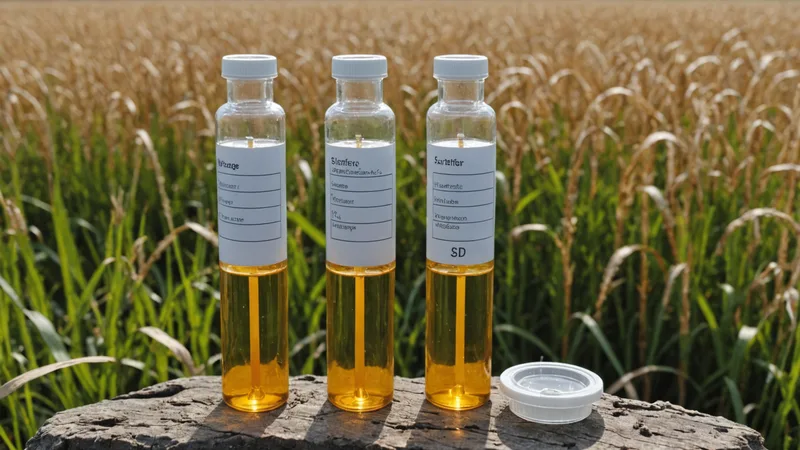
Planting trees and restoring acres doesn't guarantee the return of ecological function. We examine the scientific evidence for eDNA as a direct measure of biodiversity outcomes.
Insights
Technical writing on eDNA metabarcoding methodology, soundscape ecology, biodiversity credit market structure, TNFD and GBF policy, and first-person field reports from our sampling campaigns across Oregon and the broader Pacific Northwest. Written by the Biodivex team — the same people running the sampling kits.
Planting trees and restoring acres doesn't guarantee the return of ecological function. We examine the scientific evidence for eDNA as a direct measure of biodiversity outcomes.

Acoustic indices — ACI, BIO, NDSI — correlate strongly with species richness and abundance. Here's how we use soundscape data to verify ecosystem recovery.
TNFD recommendations are reshaping how companies disclose biodiversity dependencies and impacts. We break down what nature-related disclosures mean for credit buyers.
First eDNA sampling campaign results from our inaugural enrolled site — species detected, BHI baseline scores, and what the data tells us about restoration trajectory.
From the Kunming-Montreal Global Biodiversity Framework to voluntary credit programs, we map the emerging biodiversity market landscape and where measurement rigor is lacking.
GBF Target 15 requires large companies to monitor and disclose their impacts on biodiversity. We explain the obligation and how verified credits support compliance.
Water filtration volumes, filter pore sizes, field blanks, preservation — the technical choices behind our riparian eDNA protocol and why they matter for data quality.
Baseline BHI assessment for a 340-hectare wetland complex in the Willamette Valley — species matrix, acoustic diversity indices, and enrollment pathway.
Why do two riparian restoration credits of equal hectarage trade at vastly different prices? We explore the drivers of biodiversity credit valuation: ecosystem rarity, species profile, BHI score, and auditability.
When the organization selling credits also controls the methodology that verifies them, conflict of interest is baked in. We examine the structural problem and how market design can address it.
No sampling protocol is perfect. We quantify false-negative rates for eDNA detection under varying conditions and explain how we account for detection probability in BHI scoring.
Our third sampling campaign turned up three species not previously recorded in the site's management history — including one IUCN Near Threatened designation. What this means for credit valuation.